
Curved Toenails vs. Ingrown Toenails: How to Tell the Difference
Pain around the edge of a big toenail is a common complaint, but identifying its cause is not always straightforward. A curved toenail and an ingrown toenail can look remarkably similar, particularly when the surrounding skin becomes tender or inflamed. However, despite their similar appearance, they are two distinct conditions with different underlying causes and treatment considerations.
Understanding the difference is important. Managing a curved nail as though it were ingrown, or attempting to treat an ingrown nail by simply cutting away its corner, can aggravate the problem and potentially lead to further complications.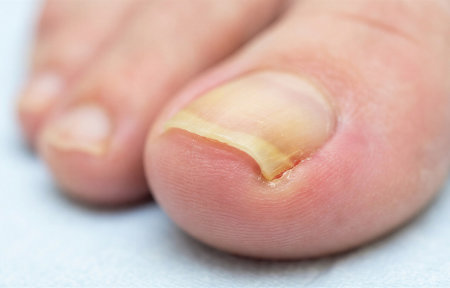
So, what distinguishes the two conditions, how can you recognise them, and when is professional podiatric care advisable?
Understanding Curved Toenails
A curved toenail develops when the nail plate exhibits increased transverse curvature, causing it to bend downwards and inwards towards the underlying nail bed and surrounding skin.
In relatively mild cases, the nail simply appears more rounded than usual. As the curvature increases, the lateral edges may begin to compress the surrounding soft tissue. More pronounced curvature is commonly described as an involuted nail, while a particularly deep, claw-like curvature is often referred to as a pincer nail.
Several factors may contribute to this change in nail shape. Genetic predisposition is significant, with some individuals naturally developing more curved nails. Other contributing factors include prolonged pressure from restrictive footwear, repetitive trauma, previous nail injuries and changes in nail thickness or structure, including those associated with fungal infection.
The big toenails are most frequently affected, although other toenails can also develop excessive curvature. In some people, the condition affects both feet.
The defining feature is that the nail plate itself has changed shape. Discomfort generally results from sustained pressure exerted by the curved nail against the underlying or surrounding soft tissue, rather than a nail edge necessarily penetrating the skin.
Understanding Ingrown Toenails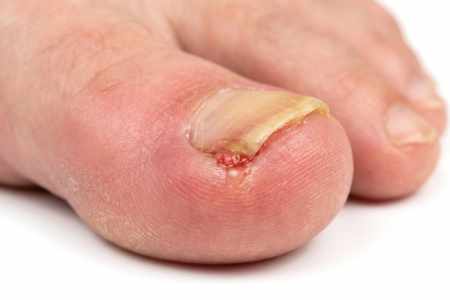
An ingrown toenail, medically known as onychocryptosis, occurs when the lateral edge or corner of the nail penetrates the adjacent skin of the nail fold.
Unlike a curved toenail, the nail plate may have an otherwise normal shape. The problem lies in the relationship between the nail edge and the surrounding soft tissue.
Incorrect nail trimming is a common contributing factor. Cutting toenails too short, rounding the corners or attempting to remove the nail edge with clippers can leave a sharp nail spicule capable of penetrating the skin as the nail grows.
Ill-fitting footwear, repetitive pressure and direct trauma to the toe can also contribute. Ingrown toenails are particularly common among adolescents and young adults, although they can occur at any age.
As the nail edge penetrates the skin, local inflammation develops. The affected nail fold may become red, swollen and increasingly tender. In more advanced cases, infection can develop, sometimes accompanied by discharge, and a small area of excessive granulation tissue (often called proud flesh) may form alongside the nail.
The distinguishing feature is the involvement of a specific nail margin, rather than excessive curvature of the entire nail plate.
Recognising the Difference
Although both conditions can produce discomfort around the nail margins, several features can help distinguish them.
The shape of the nail: A curved or involuted nail displays increased curvature across the nail plate, often with both sides turning inwards. An ingrown nail may appear relatively flat and normally shaped, with one edge penetrating the adjacent skin.
The location of discomfort: Curved nails generally produce pressure and tenderness along the affected nail margins, sometimes extending across the tip of the toe. Ingrown toenails tend to produce more localised pain at the particular corner or edge involved.
The appearance of surrounding tissue: With excessive nail curvature, the surrounding skin may become compressed, thickened or tender. In an ingrown toenail, localised redness, swelling and inflammation are more characteristic. Discharge or granulation tissue may indicate a more advanced problem.
The progression of symptoms: Curvature generally develops gradually over months or years. An ingrown toenail can become symptomatic relatively quickly, particularly following inappropriate nail trimming, trauma or sustained pressure from footwear.
These differences provide useful clues, although an accurate diagnosis requires consideration of the nail structure and surrounding tissues.
Can Both Conditions Occur Together?
Yes. In fact, the presence of one condition can contribute to the development of the other.
A significantly curved nail can exert persistent pressure on the lateral nail folds. Over time, this pressure may cause irritation and tissue changes, increasing the likelihood that one or both nail margins will penetrate the surrounding skin.
Consequently, someone with an established involuted or pincer nail may also develop an ingrown toenail.
Where both conditions are present, treatment needs to address the penetrating nail edge and any associated inflammation or infection, while also considering the underlying nail curvature.
Appropriate Home Care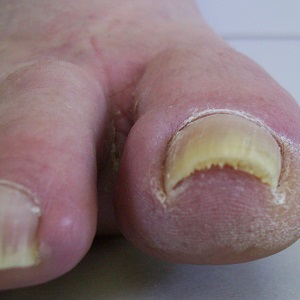
For mild nail curvature, appropriate nail care and footwear selection can help minimise discomfort. Toenails should be trimmed straight across, without cutting deeply into the corners. Shoes should provide sufficient depth and width in the toe box to avoid unnecessary pressure on the nail and surrounding tissues.
For a mildly irritated ingrown nail, warm water soaks for 10–15 minutes may help relieve discomfort and soften the surrounding skin. Keeping the toe clean and dry, avoiding restrictive footwear and resisting the temptation to cut or dig into the affected nail corner are also important.
Some conservative techniques involve gently separating the nail edge from the surrounding skin, but these are not suitable for every case. Where the nail fold is significantly inflamed, infected or producing granulation tissue, attempting to manipulate the nail at home may make matters worse.
This step-by-step guide provides further information about managing nail curvature.
When Should You See a Podiatrist?
Persistent nail discomfort should not be ignored. Professional assessment is advisable when pain is increasing, redness or swelling develops, discharge is present, or walking becomes uncomfortable. A recurring curved nail or an ingrown nail that fails to respond to conservative care may also require professional intervention.
Depending on the condition, treatment may involve professional nail reduction, conservative nail correction techniques, management of associated inflammation or, where appropriate, a minor nail procedure to address the problematic nail margin.
People with diabetes, reduced circulation or peripheral neuropathy should seek professional advice promptly rather than attempting home treatment. Reduced sensation and impaired healing can make even relatively minor nail problems more complicated.
Prevention: Looking After Your Toenails
Good nail care can reduce the likelihood of both conditions developing or recurring.
Trim toenails straight across, avoiding excessively short nails and rounded corners. Use a nail file to smooth sharp edges rather than cutting deeply into the sides. Choose footwear that allows adequate room for the toes, and inspect your toenails regularly for changes in shape, thickness or colour.
Early recognition of increasing nail curvature or irritation around a nail margin can make management considerably easier.
The Takeaway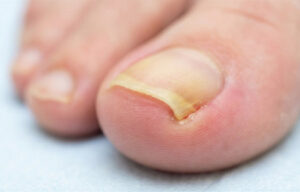
Curved toenails and ingrown toenails may look similar, but they are mechanically different conditions. One involves excessive curvature of the nail plate; the other occurs when a nail edge penetrates the surrounding skin.
Recognising that distinction is the first step towards appropriate care. Persistent pain, inflammation or recurring nail problems warrant professional assessment rather than repeated attempts at home treatment.
Guest Authors: This article has been written in conjunction with The Editorial Team at Midwest Foot & Ankle (midwestfootankle.com) which publishes in-depth, plain-language foot-health guides built on current podiatry sources and real-world reader questions.


