Custom Orthotics vs. Store-Bought Insoles: What Patients Really Need to Know
If you walk into any pharmacy or big-box store, you will see shelves full of “comfort insoles” that promise to fix sore feet, tired legs, and even back pain. At the same time, many people are told they might benefit from custom orthotics prescribed by a foot specialist. The result is a widespread question in my clinic:
“Do I really need custom orthotics, or will store-bought insoles do the job?”
The honest answer is that both have a place. The key is understanding what each option can and cannot do, and when it is worth investing in a custom device instead of relying on something off the shelf. This article breaks down the differences in plain language so you can make a more informed choice about your feet, your comfort, and your budget.
What are store-bought insoles?
Store-bought insoles (also called over-the-counter insoles) are mass-produced inserts you can place inside your shoes. They come in standard sizes and are designed to fit a wide range of feet.
Common types include: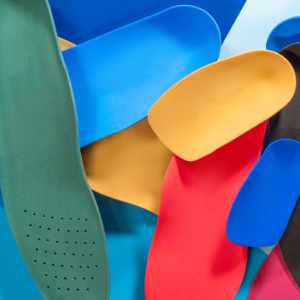
- Soft “cushion” insoles that add padding under the heel or forefoot
- Arch support insoles that provide mild to moderate support
- Sport or “work” insoles marketed for runners or people who stand all day
Potential benefits of store-bought insoles:
- Affordable: They are usually far less expensive than custom orthotics.
- Easy to find: Available in most pharmacies, sporting goods stores, and online.
- Quick comfort boost: Extra cushioning can help with general tired feet or minor discomfort.
Limitations of store-bought insoles:
- One design for many feet: They are not tailored to your specific foot shape or gait.
- Limited support: They often compress quickly and may not provide lasting structural support.
- Not designed for complex issues: Conditions such as significant flat feet, severe heel pain, or diabetic risk feet usually need more targeted intervention.
In other words, store-bought insoles can be helpful “comfort enhancers,” but they are rarely a true medical solution for persistent or complex foot problems.
What are custom orthotics?
Custom orthotics are medical devices prescribed and explicitly designed for your feet by a foot health professional, such as a chiropodist or podiatrist. They are created through a detailed assessment of your feet, gait, and, often, your overall lower-limb alignment.
A proper custom orthotic process usually includes:
- Detailed history: Understanding your symptoms, lifestyle, and activities.
- Physical examination: Assessing foot posture, range of motion, and any areas of pain or callus.
- Gait analysis: Watching how you walk and sometimes how you run or stand for prolonged periods.
- 3D casting or digital scanning: Capturing an accurate model of your feet in a corrected or neutral position.
Custom orthotics can be designed for:
- Heel pain and plantar fasciitis
- Metatarsalgia and forefoot pain
- Flat feet or very high arches
- Arthritis-related foot pain
- Diabetic risk feet that need pressure redistribution
- Sports-related overuse injuries
Because they are built to match your foot structure and correct specific biomechanical issues, custom orthotics can provide a level of support and control that off-the-shelf insoles simply cannot.
How do custom orthotics actually help?
Patients are often told that orthotics “support the arch,” but that is an oversimplification. The real goal is to improve how forces are distributed through the foot and lower limb.
Depending on your needs, custom orthotics can:
- Reduce strain on the plantar fascia and other soft tissues
- Improve alignment of the foot, ankle, knee, and sometimes even the hip
- Offload high-pressure areas to reduce calluses, corns, and ulcer risk
- Improve stability for people with balance issues or arthritis
- Support return to activity for athletes recovering from injury
In short, custom orthotics are not just about comfort. They are about function, alignment, and long-term joint protection.
When are store-bought insoles usually enough?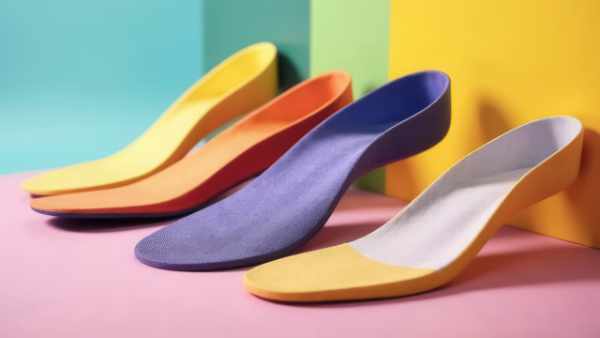
There are situations where I am pretty comfortable suggesting that a patient start with a high-quality over-the-counter insole rather than investing in custom orthotics right away. For example:
- Mild, general foot fatigue from standing or walking more than usual
- Short-term use such as a one-time trip where you will be on your feet a lot
- People on a tight budget who have no significant structural problems
A decent insole with some cushioning and basic arch support can sometimes provide enough relief for minor issues. The key is to treat them as a comfort aid, not a substitute for a proper assessment when pain is persistent or worsening.
When are custom orthotics usually worth it?
It is usually worth discussing custom orthotics with a chiropodist or podiatrist when you experience any of the following:
- Heel pain that has lasted more than a few weeks
- Pain that returns as soon as you stop wearing store-bought insoles
- Recurrent sports injuries, especially in the lower legs and feet
- Visible deformities such as bunions, very flat feet, or very high arches
- Diabetic neuropathy, loss of sensation, or history of foot ulcers
- Foot pain that is beginning to affect your knees, hips, or back
In these situations, the problem is rarely just “lack of padding.” It is often related to how your foot moves and how your body weight is distributed as you walk. Custom orthotics are designed to address those underlying mechanics.
What about cost?
At first glance, custom orthotics are more expensive than a pair of insoles from the pharmacy. However, cost needs to be viewed in terms of value and longevity.
Consider:
- Quality custom orthotics are made from durable materials and are expected to last much longer than most over-the-counter insoles.
- They are designed to address the cause of the pain, not just the symptom, which can lead to fewer repeat visits and fewer “band-aid” purchases.
- Many extended health insurance plans offer partial or complete coverage for custom orthotics when prescribed by the appropriate professional.
If you have already tried multiple pairs of store-bought insoles and still feel pain, the “cheaper” option may not be cheaper in the long run.
Red flags: when to see a foot specialist promptly
Regardless of what is in your shoes right now, you should book a professional assessment if you notice:
- Foot pain that is getting worse, not better
- Swelling, redness, or warmth in the foot or ankle without a clear cause
- Changes in foot shape, such as a rapidly developing bunion or collapsed arch
- Numbness, tingling, or loss of feeling in your feet
- Any sore, blister, or wound on the foot that does not start to heal within a few days, especially if you have diabetes
These are not situations that can be managed with insoles alone. Early assessment can prevent minor problems from becoming much larger ones.
How to get the most out of any insole or orthotic
Whether you end up with a store-bought insole or a custom device, there are a few simple ways to get better results:
- Choose appropriate footwear. Even the best orthotic cannot perform well in shoes that are too tight, too worn, or lack structure.
- Follow a gradual wear-in schedule, especially with custom orthotics. Your body sometimes needs a short adjustment period.
- Do the exercises your foot specialist recommends. Stretching and strengthening often work hand in hand with orthotic therapy.
- Go back for reassessment if your pain changes, your activity level increases, or your orthotics are more than a couple of years old.
Feet are not static. Life changes, activity levels change, and devices may need to be adjusted or replaced over time.
The bottom line
Store-bought insoles and custom orthotics are tools, not magic fixes. For mild, short-term discomfort, a high-quality over-the-counter insole may be all you need. For ongoing pain, structural issues, or higher-risk feet, custom orthotics prescribed by a foot health professional are often the safer and more effective choice.
If you are unsure which option makes sense for you, the best first step is a proper assessment. A chiropodist or podiatrist can help you understand what is happening with your feet and design a plan that might include orthotics, footwear changes, exercises, or other treatments tailored to your specific needs.
Your feet carry you everywhere. Making an informed choice today can help you walk more comfortably, stay active longer, and protect your joints in the years ahead
Guest Author: Janet Yu, D.Ch., is the lead chiropodist at Brooklin Foot & Orthotic Clinic, serving Whitby and the surrounding Durham Region. Registered since 2013, she combines her Human Biology training from the University of Toronto with a compassionate, patient-first approach to foot health and orthotic therapy